
What does receiving the Premio San Giovanni Paolo II mean to you and to JP2JPC, and how, in your opinion, does it reflect the values and vision of Pope John Paul II?
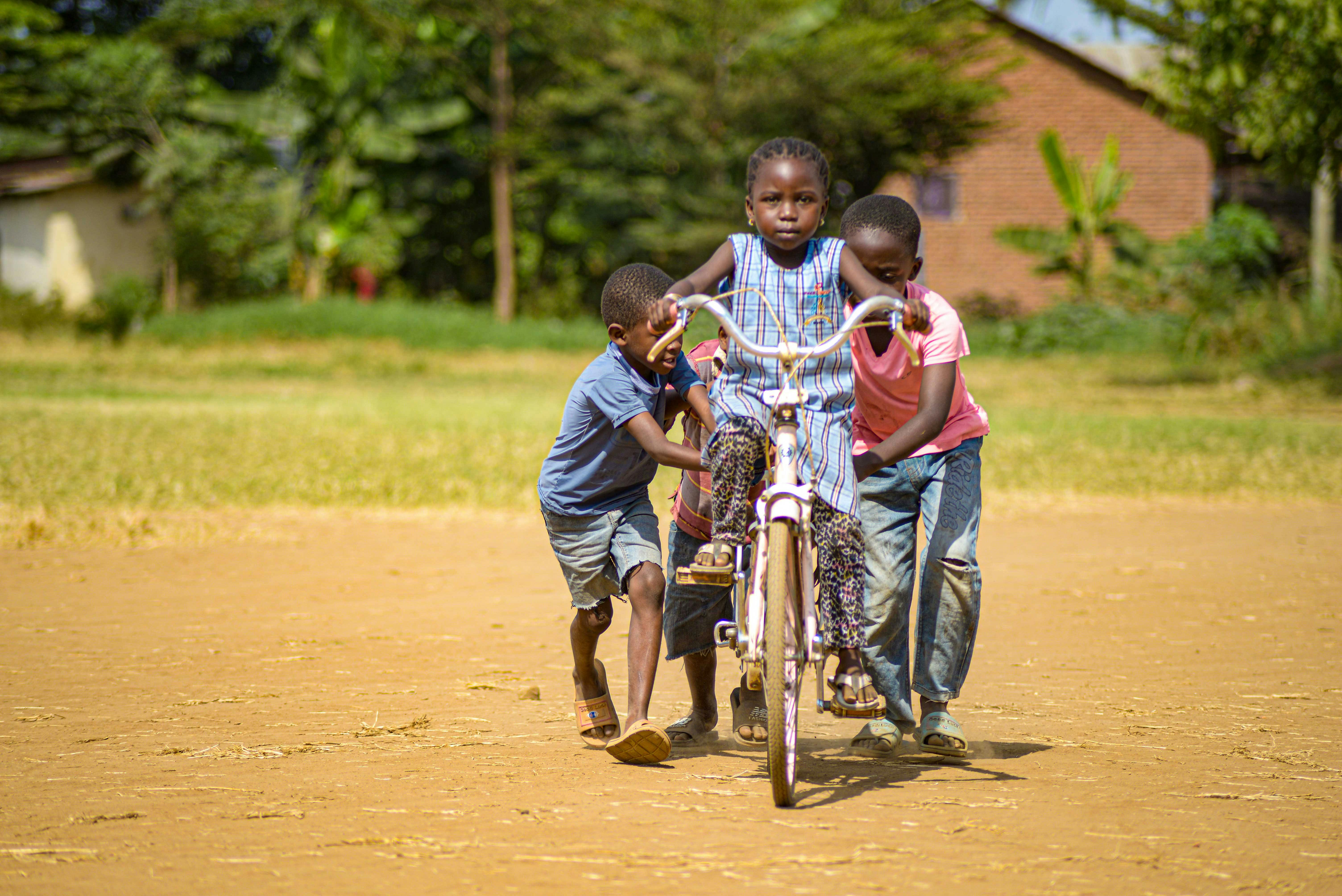
Premio as a New Source of Energy for Our Organization
For me, as one of the founding members of JP2JPC, this is like a dream come true. When we were envisioning the establishment of the Centre, we wanted to follow in the footsteps of John Paul II in promoting social justice. At that time, the world was mourning his passing, but for us, mourning was not enough. We wanted to take concrete, collective action by creating an institution that would continue his legacy by addressing political, economic, and social challenges at the local level. Therefore, for our organization, which has existed for only about 13 years, receiving such recognition from the John Paul II Foundation in the Vatican is truly a fulfillment of our aspirations.
From an institutional perspective, this award demonstrates that our strategic engagement in promoting human rights and good governance, peaceful coexistence, and the integrity of creation—aimed at building a just and peaceful society—is aligned with the legacy of Pope John Paul II. The award energizes the Centre to continue its work with greater passion and commitment toward this mission. It is also a clear indication that by promoting justice and peace—values central to his pontificate—our work contributes to carrying forward his legacy.
In what ways is the work or contribution of JP2JPC aligned with the principles and ideals promoted by Pope John Paul II during his pontificate?
The work of JP2JPC is grounded in economic, political, social, and environmental justice. It focuses on promoting human rights and good governance, peacebuilding, and environmental protection.
In the area of human rights and good governance, the Centre is engaged in increasing respect for human rights among Uganda’s police forces, combating human trafficking and modern slavery, promoting democratic practices and citizen participation in decision-making and political processes, as well as supporting girls’ education.
In the field of peacebuilding, JP2JPC promotes peace within families and communities and empowers refugees and host communities to enable peaceful coexistence. The Centre also promotes the integrity of creation (ecology) through community-based actions addressing environmental degradation and climate change. All these efforts are carried out in collaboration with other religious groups and institutions, in line with Pope John Paul II’s commitment to social justice, dialogue, and interreligious relations.
How do you intend to use the recognition and platform provided by the John Paul II Award to further promote JP2JPC’s initiatives?
The recognition and platform of the John Paul II Award offer JP2JPC a significant opportunity to increase its visibility and to connect with institutions worldwide in pursuit of our goals. To strengthen this recognition, we intend to continue sharing our plans and activity reports through the Award’s platform.
We also foresee using this distinction to mobilize the necessary resources for implementing strong and effective interventions. Additionally, we will leverage it to gain support for our programs across various platforms and forums. This is essential, as financial limitations sometimes prevent us from implementing certain planned activities, such as civic education and monitoring upcoming parliamentary elections in Uganda, supporting survivors of human trafficking, or empowering refugees economically.
Could you share a memorable moment or experience that inspired your commitment to the values central to Pope John Paul II’s legacy?
At the time we were establishing the Centre, people in northern Uganda were emerging from a two-decade-long war. I remember how people would travel daily from their villages to towns and sleep on the streets because they were being attacked, killed, or maimed in their villages.
This situation even compelled Archbishop John Baptist Odama to join them and sleep on the streets in order to draw attention to their plight. As a result, his actions brought international awareness to the suffering of the people of northern Uganda.
At that time, Uganda was experiencing, among other things, widespread violations of human rights, growing economic inequalities, extreme poverty, and violence within families and communities. This dire situation prompted us—a group of religious congregations including the Comboni Missionaries, the Holy Cross Missionaries, the Mill Hill Missionaries, the Missionaries of Africa, and the Society of Jesus (Jesuits)—to take collective action by establishing an institution dedicated to combating injustice. Hence our motto: “Faith does justice.”
Looking ahead, what do you see as the most urgent challenges facing today’s society? Can the teaching of Pope John Paul II guide us in addressing them?
The main challenges facing society today include divisions and the conflicts they generate, poor governance, hunger, human trafficking and modern slavery, environmental degradation, the breakdown of the family, poverty, unemployment, moral decline, diseases and pandemics, and the misuse of technology.
These issues can be addressed by promoting human dignity and social justice, dialogue and reconciliation, solidarity and global cooperation, as well as ethical leadership and responsibility—values that were consistently emphasized in the teaching of Pope John Paul II.
Want to stay up to date? Join our newsletter and share our content on social media. You can also visit the ‘Support us’ page to find out how to support the Foundation’s activities.


'/%3e%3cpath%20d='M106.263%2055.6572C118.904%2056.018%20129.442%2045.9903%20129.8%2033.2598C130.158%2020.5292%20120.201%209.91652%20107.561%209.55569C94.9198%209.19486%2084.3819%2019.2225%2084.0236%2031.9531C83.6653%2044.6837%2093.6223%2055.2963%20106.263%2055.6572Z'%20fill='url(%23paint1_linear_1843_155)'/%3e%3cpath%20d='M68.5454%2055.6572C81.1862%2056.018%2091.7241%2045.9903%2092.0824%2033.2598C92.4407%2020.5292%2082.4837%209.91652%2069.8428%209.55569C57.202%209.19486%2046.6641%2019.2225%2046.3059%2031.9531C45.9476%2044.6837%2055.9045%2055.2963%2068.5454%2055.6572Z'%20fill='url(%23paint2_linear_1843_155)'/%3e%3cdefs%3e%3clinearGradient%20id='paint0_linear_1843_155'%20x1='16.1909'%20y1='16.3074'%20x2='48.8019'%20y2='48.6885'%20gradientUnits='userSpaceOnUse'%3e%3cstop%20stop-color='%23951333'/%3e%3cstop%20offset='0.389423'%20stop-color='%23FF0B20'/%3e%3cstop%20offset='0.8125'%20stop-color='%23FD4D01'/%3e%3c/linearGradient%3e%3clinearGradient%20id='paint1_linear_1843_155'%20x1='116.438'%20y1='12.9124'%20x2='94.9175'%20y2='50.2411'%20gradientUnits='userSpaceOnUse'%3e%3cstop%20stop-color='%230270F2'/%3e%3cstop%20offset='0.311512'%20stop-color='%2302A0D2'/%3e%3cstop%20offset='1'%20stop-color='%2300C6FF'/%3e%3c/linearGradient%3e%3clinearGradient%20id='paint2_linear_1843_155'%20x1='69.8429'%20y1='9.55569'%20x2='68.5269'%20y2='55.6566'%20gradientUnits='userSpaceOnUse'%3e%3cstop%20stop-color='%23FCDB00'/%3e%3cstop%20offset='0.567308'%20stop-color='%23FEC800'/%3e%3cstop%20offset='1'%20stop-color='%23FD8F00'/%3e%3c/linearGradient%3e%3c/defs%3e%3c/svg%3e)
LIBRARY
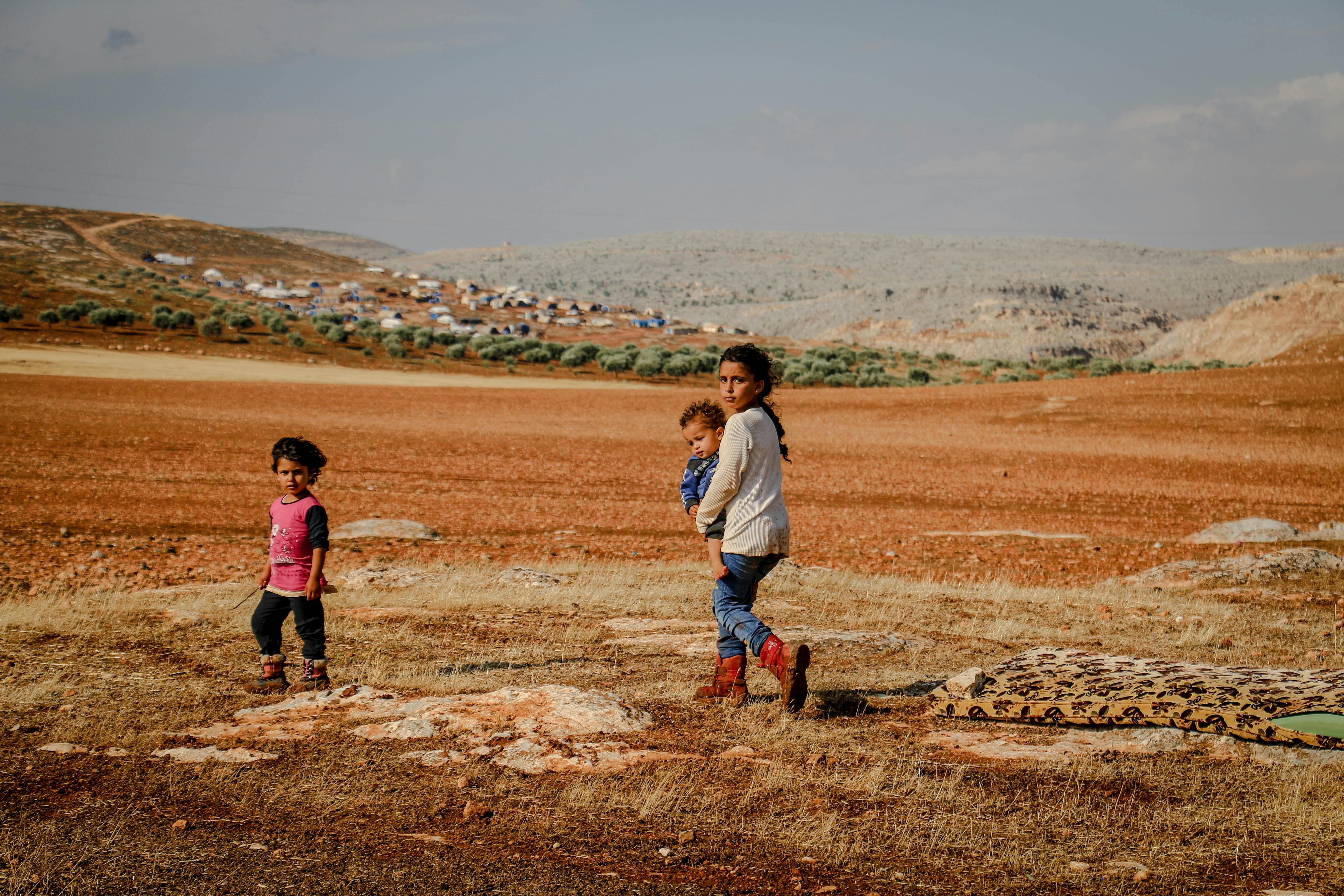
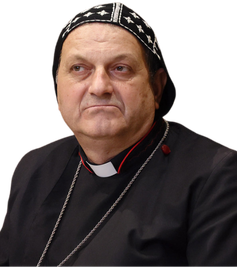
Abp. Julian Yacoub MOURAD
Peace in a World That Has Forgotten Itself
Syrian Catholic Archbishop of Homs reflects on his mission and witness in war-torn Syria.
Prof. Myroslav MARYNOVYCH
He led nations out of communist bondage
For Ukrainian political prisoners, John Paul II was a “white light of hope”.

Prof. Anna ROWLANDS
What does it mean to be a flourishing human being in a time of AI?
Magnifica Humanitas offers a new synthesis of the Church’s Social Doctrine.
This site uses cookies to analyse traffic. You can accept or decline analytics tracking. Learn more.